 Waterproofing Explained
Waterproofing Explained
Posted
by
WinterWomen
on Monday, August 11, 2025
Staying comfortable in the snow starts with the right outerwear. Whether you’re skiing, snowboarding, or spending time outside this winter, having gear that’s waterproof, breathable, and looks good is important.
Waterproofing keeps the elements out, while breathability allows sweat and excess heat to escape, so you’re not feeling like a walking sauna. The two work together to keep you dry, warm, and ready for whatever the weather throws your way.
When it comes to shopping for winter outerwear, all the ratings and numbers can get pretty confusing, so we’ve broken it down for you, so the next time you’re picking out a winter jacket or pants, you’ll know what to look for.
Waterproof Ratings Explained
For the most part, brands test their fabric’s waterproofing to determine the rating using a hydrostatic head test. The test determines how many millimeters of water a fabric can withstand in a 24-hour period before water leaks through. The more water it holds, the higher the waterproof rating, and the more severe weather the jacket or pants can endure. When looking at technical gear for snow, it’s common to see waterproof ratings of 5,000mm (or commonly written as 5K), 10K, 15K, 20K, and above.
How Much Waterproofing Do I Need?
The level of waterproofing you need depends on the activity, the conditions, and where you’re going to be. In general, we recommend at least a 5,000mm (or 5K) waterproof rating as the minimum for snow gear. It’ll handle light snow or the occasional shower, but, if you’re out in the elements all day, you might want more protection.
Most snow outerwear sits somewhere between 5K and 10K, which is good for most conditions and won’t break the bank. If you’re a die-hard skier or find yourself in wetter climates, look for gear rated 15K to 20K and up. This kind of gear is built to keep you dry in more extreme conditions. Here's a quick breakdown of the different waterproof ratings and their best use situations:
| Waterproof Rating (mm) |
Waterproofness |
Best Use |
| 3,000 to 5,000 |
Some water resistance |
Suitable for light showers and dry snow, not sufficient for extended periods of rain. |
| 6,000 to 10,000 |
Resistant under light pressure |
Good for light to average rain and snow. It may not be ideal for heavy or wet snow, prolonged time spent kneeling or sitting in wet conditions, or heavy downpours. |
| 11,000 to 15,000 |
Waterproof under light to medium pressure |
A good balance of waterproofing and breathability for most outdoor activities like resort skiing and riding in moderate rain and average snow. It may not be ideal for very wet conditions. |
| 16,000 to 20,000 |
Waterproof under high pressure |
Offers some of the best waterproof protection from heavy rain, wet snow, and more extreme conditions. |
| 20,000+ |
Waterproof under very high pressure |
Highest waterproof protection for the most extreme conditions. |
Something to keep in mind when shopping for waterproof layers is that just because a jacket has a super high waterproof rating doesn’t automatically make it the best choice for you. Sometimes, the more waterproof a fabric is, the more difficult it becomes for heat and sweat to escape. The good news is that outdoor brands have been working hard to create high-tech gear that balances both top-notch waterproofing and breathability. That’s a win-win, especially for outdoor adventures like skiing and snowboarding, where staying dry and comfortable all day makes a big difference.
Why is Breathability Important?
Just like waterproofing keeps you comfortable from the elements, a fabric’s breathability keeps you comfortable by helping you regulate your body temperature. Breathability is the amount of water vapor, like sweat, that can escape through the fabric. This is especially important during high-energy activities like skiing and snowboarding.
Similar to waterproofing, there are tests and a rating given to determine the breathability of a fabric. Waterproofing and breathability are usually displayed together, separated by a slash. For example, 5K waterproofing / 5K breathability.
For snow outerwear, breathability ranges from around 5K to 30K and beyond. Items with lower breathability, in the 5K and below, are a good choice for low-level activities where you aren’t going to work up much body heat or you won’t be outside for too long, like walking around town or during your morning commute. Higher breathability is beneficial for active activities like running, splitboarding, and backcountry skiing, where there is a lot more physical exertion.
- If you plan on staying on the resort, riding lifts, and taking regular breaks in the lodge, a breathability rating around 5K to 8K will work fine.
- If you’re looking for something with a little more breathability, look for something in the 10K to 15K range.
- Backcountry skiers and snowboarders who find themselves spending all day working up a sweat look for garments with breathability in the 20K+ for best results.
Remember to account for your personal needs. If you tend to run warm quickly, opt for something more breathable.
What is DWR?
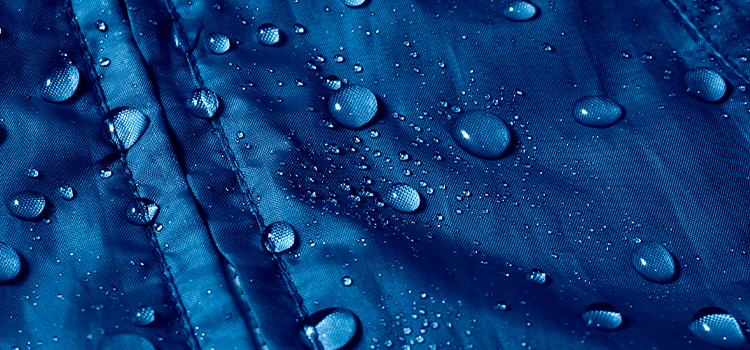
As you’re shopping around for waterproof gear, you’ll probably come across the term DWR, which stands for Durable Water Repellent. All waterproof gear is coated with a DWR finish. This added layer of protection protects the face fabric from getting wet by allowing water to bead and roll off the face fabric of waterproof outerwear, rather than being absorbed into the fabric.
Something to be aware of with waterproof gear is that the DWR finish will wear off over time. High contact areas like sleeves, elbows, knees, and the seat tend to wear away first. Also, the buildup of dirt and body oils on your waterproof gear will compromise the DWR over time. But don’t worry, just because you’re waterproof gear isn’t as effective doesn’t mean you have to get rid of it.
The good news is, the DWR can easily be reapplied at home, and is recommended to be done periodically to keep your gear performing its best. Using specifically designed tech wash and waterproofing, you can get your gear performing like new using your washing machine at home.
Some waterproof gear just has a DWR coating. These pieces are lighter and more affordable, but the tradeoff tends to be less performance and durability. For more protection and durability, a lot of waterproof garments use a laminate, which consists of a waterproof/breathable membrane that’s bonded to the underside of a garment’s shell fabric.
Waterproof Membrane:
The waterproof membrane is the piece of your jacket or pants that doesn’t let moisture through and will not wear away like a DWR coating. It’s bonded to a fabric to create complete waterproof protection while still being breathable. Today, there’s a handful of different waterproof membranes. Some of the most popular include:
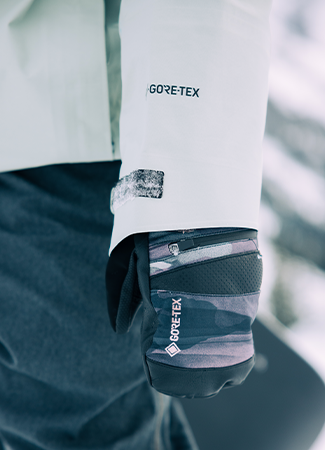
Gore-Tex is one of the most popular waterproof membranes thanks to its exceptional waterproofing, breathability, and durability.
eVent is known for its breathability, making it a solid choice for high-intensity activities. It’s also quicker-drying and more lightweight than Gore-Tex, but it does require more frequent cleaning to remain effective.
Dermizax offers superior stretch and unrestricted mobility. Dermizax is highly breathable thanks to dynamic breathability, meaning it becomes more breathable during higher-intensity. The downside to Dermizax is that it may not be as durable as other membranes and is less ideal in extreme conditions long term.
Pertex is a more lightweight and packable waterproof membrane option, but its not considered as durable or breathable as other options.
Many brands have developed their own waterproof membranes, offering varying levels of performance and breathability, such as The North Face’s FUTURELIGHT, Marmot’s MemBrain, and Patagonia’s H2No.
Regardless of the waterproof membrane, you’ll commonly see two different constructions in waterproof gear: a 2-layer and 3-layer construction.
2 Layer Construction
2-layer constructions are common among more casual jackets. They use the laminate layer, composed of the waterproof membrane and face fabric, and a hanging liner that protects the membrane on the inside. 2L construction pieces tend to be warmer and more affordable, making them a good choice for resort skiers.
3 Layer Construction
A 3-layer construction provides peak performance and utilizes top-shelf membranes, such as Gore-Tex. The waterproof membrane is bonded between two fabric layers, one on the outside and one on the inside. This provides more protection for the membrane and creates a lighter, less bulky garment than the 2-layer construction, since it doesn’t use a liner. 3-layer pieces are ideal for the backcountry and more extreme conditions where high performance, breathability, and versatility are important.
Keeping Your Waterproof Gear Performing Its Best:
It’s recommended to clean your waterproof gear periodically to keep it performing its best. Depending on how often you use it, it’s generally a good idea to wash it at least once a season, when it looks visibly dirty, or when you notice the waterproofing is no longer effective.
You also don’t want to wash your gear too frequently, so spot clean sections when you can, which will keep things in good shape between washes.
When re-waterproofing your gear, it’s important to only do so on clean gear. Use a specially formulated tech wash, like this one from Nikwax, made for waterproof gear when cleaning your gear. Avoid normal laundry detergents and never use fabric softeners. These tend to clog the pores of the fabric and damage the waterproofing. Also, do not take any of your outdoor gear to the dry cleaners. The chemicals and washing process are too rough on the gear.
Final Thoughts
Understanding waterproofing—and how it works with breathability—can make all the difference in keeping you comfortable during winter adventures. From knowing what ratings to look for, to choosing the right construction, being informed helps you pick gear that matches your activity level and environment. And with a bit of maintenance, your waterproof gear can continue to perform season after season. So whether you’re lapping chairlifts, exploring the backcountry, or just staying dry on your winter commute, the right outerwear keeps the elements out and the comfort in.
Categories:
Fashion
Tagged: Dress for Winter, How To Choose, Waterproof