 How to Choose the Right Winter Jacket
How to Choose the Right Winter Jacket for Women
Posted
by
Bianca Chang
on Thursday, September 4, 2025
When cold weather hits, having the right winter jacket is non-negotiable. Whether you’re heading to the slopes, walking the dog on a frosty morning, or commuting to work through slush and snow, your winter coat should keep you warm, dry, and comfortable, without sacrificing style.
In this guide, we’ll help you figure out what kind of winter jacket you need, what features matter most, and how to find the perfect fit.
Start With When and Where You’ll Wear it
Before you start shopping, let's pin down how you plan on using your winter jacket. Are you searching for a jacket for your next ski or snowboard trip? Do you need a jacket for other outdoor activities like cross country skiing or a winter hike? Are you looking for a cute jacket for everyday wear, like commuting to work or running errands?
Also think about your local winter climate. Is it typically rainy and wet or cold and dry? Are you up north where you’re frequently met with below freezing temps? Or are you in one of those fluctuating winters like me where it’s 25°F one day and 55°F the next? Once you know what you're up against, it’s easier to narrow down what kind of jacket you need.
What to Look for in a Winter Jacket
Construction: Insulated vs Shell Jackets
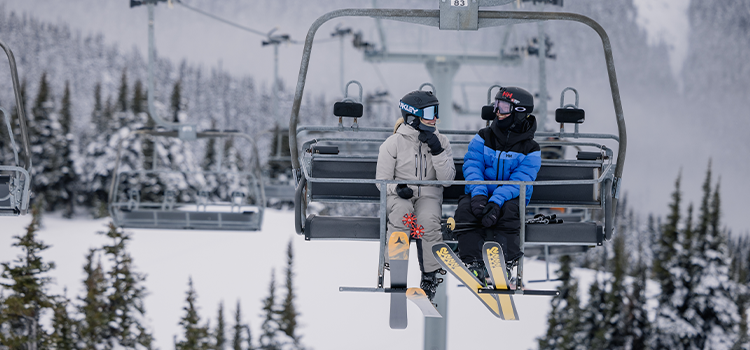
The two major types of jackets you’ll find are insulated jackets and shell jackets. If staying warm with minimal layering is your top priority, go for an insulated option. With the insulation built into the jacket, they are perfect for anyone who runs cold or spends a lot of time sitting or standing outside in winter weather (think lift rides, outdoor events, or long commutes).
On the other hand, shell jackets offer more flexibility. They don’t have built-in insulation, so you layer underneath based on the day’s conditions. Shells are lightweight, breathable, and easy to pack down, which makes them ideal for active outdoor activities like hiking, backcountry skiing, or days where you’re working up a sweat but still need protection from wind and snow. With the right layering system, a shell can take you from mild winter days to frigid temps.
Types of Insulation
If you’re leaning toward an insulated winter jacket, you’ll also want to consider what type of insulation works best for your needs. Down insulation is made from natural feathers and is loved for its ability to trap heat without adding bulk. It’s lightweight, super warm, and compresses easily, but it does cost a bit more and doesn’t hold up well if it gets wet.
Synthetic insulation retains warmth even when damp and tends to be more budget-friendly. While it’s a little heavier and bulkier than down, it’s a great option for wet climates or for anyone who wants something lower maintenance.
Waterproofing
The key to staying warm is staying dry. When looking at the best winter jackets for women, pay close attention to waterproof ratings. Most jackets range from 5K to 20K or higher. A jacket with 5K waterproofing is okay for light snow or rain, but if you’re going to be outside in heavy, wet conditions or spending hours on the ski hill, go for something with at least 10K or higher.
Technical features like taped seams and waterproof zippers can also make a huge difference. Jackets with fully taped seams keep moisture from seeping in at the most vulnerable points. Some jackets only have critically taped seams (just around the shoulders and zippers), which is fine for everyday wear.
For a deep dive into waterproofing ratings, you can check out our article, Waterproofing Explained.
Length
The length of your winter coat affects both warmth and mobility. Hip-length jackets are a solid choice for skiing, snowboarding, or anything that requires a lot of movement. They're easy to layer under, don’t restrict your legs, and are generally more performance-focused.
If warmth is your main goal, especially for commuting or walking in the cold, consider a longer jacket that hits mid-thigh or below. A longer coat gives you more coverage and helps protect your lower half from wind and snow. Bonus: You can find longer jackets with double front zippers or side zips, so you still get ease of movement without sacrificing warmth.
Additional Features
It’s the little things that often separate a good winter jacket from a great one. Here are some additional features to look out for when shopping for a winter coat:
Vents: Some winter jackets, especially those used for skiing and snowboarding, may have underarm vents. They are a lifesaver when it comes to regulating body temp by conveniently letting out some heat without having to take off your jacket.
Hood: Most winter jackets come with a hood for additional warmth and protection from the cold. Some may have a removable hood to cut down on bulk when you don’t need it. And most ski and snowboard jackets have a helmet-compatible hood, making it easy to slip your hood over your helmet to keep the cold off your neck, ears, and face in more extreme conditions.
Pockets: For storing your phone, wallet, lift pass, a snack, or keeping your hands warm, most winter jackets have internal and external pockets. If you’re looking for a coat to take on winter hikes and adventures, look for jackets with different pocket placements that are easily accessible while wearing a backpack.
Powder Skirt: Another feature of ski and snowboard jackets is a powder skirt. Inside the jacket, the powder skirt wraps around the waist and snaps in the front to keep wind and snow from going up your jacket. Some can be zipped out and stored away when you don’t need it.
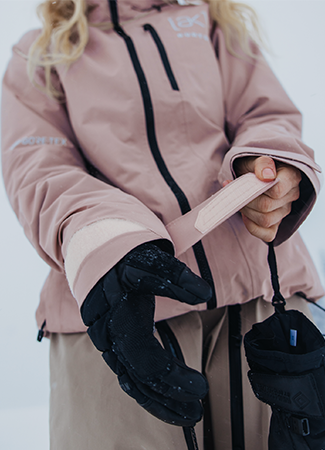
Thumb Holes and Cuff Closure: Some winter jackets may have a cuff with thumbholes and velcro to tighten sleeves. These small touches help seal out cold air and keep your sleeves in place as you move.
What Works Best for Each Winter Activity?
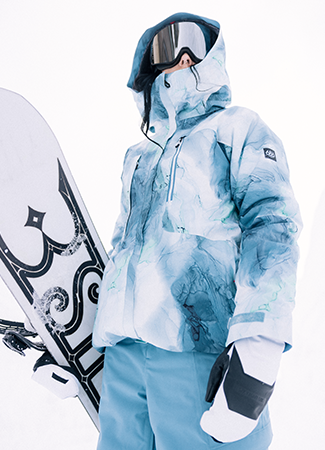
For resort skiing and snowboarding, look for jackets that combine waterproofing, warmth, and durability. Insulated jackets are perfect if you plan to stick to groomers and tend to get cold. Shell jackets, on the other hand, give you more control over layering, ideal if you like to ride through a range of conditions from early season to spring slush.
If you're heading out for other active adventures like winter hiking, cross-country skiing or splitboarding, breathability becomes a top priority. In these situations, it’s better to start a little cold—because you’ll warm up quickly once you get moving. A breathable shell jacket with smart layering underneath (think: moisture-wicking base layer and a packable insulated mid-layer) gives you the freedom to stay dry, comfortable, and protected.
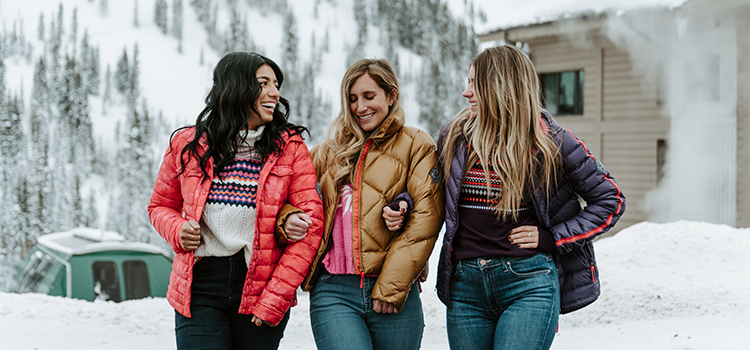
When it comes to everyday winter wear or commuting, warmth and style are key. A well-insulated parka with either synthetic or down fill is a great pick here. Down gives you maximum warmth without the bulk, while synthetic is often easier on the budget and holds up better in wet snow or rain. A mid-thigh or knee-length jacket will give you full-body warmth for long walks or waiting at the train station, while still looking polished.
How Should a Winter Jacket Fit?
You want your winter jacket to fit just right, not too tight, not too loose.
A properly fitting jacket should fit closely without restricting your movement, especially in the shoulders. A good test: crossing your arms in front of you. If it pulls uncomfortably across your shoulders or under your arms, it’s too snug.
The sleeves should end right at the base of your hands, covering your wrists to keep them warm without your sleeves getting in the way. The jacket should also be long enough to stay put when you raise your arms. No cold drafts sneaking in when you're reaching for your skis or adjusting your backpack.
Final Thoughts
With the right winter jacket, you won’t just be surviving the cold, you’ll be thriving in it. From commuting through wind and sleet, hitting the mountain, or just heading out for a winter walk, your jacket should work with your lifestyle, your climate, and your sense of style.
With a better understanding of the types of winter jackets, what features matter, and how to find the right fit, you’re well on your way to finding a coat you’ll reach for all season long.
Related Articles:
Synthetic vs Down Insulation: What’s the Difference?
Waterproofing Explained
Categories:
Fashion
Tagged: Skiing, Snowboarding, Dress for Winter, How To Choose, Jacket, Clothing