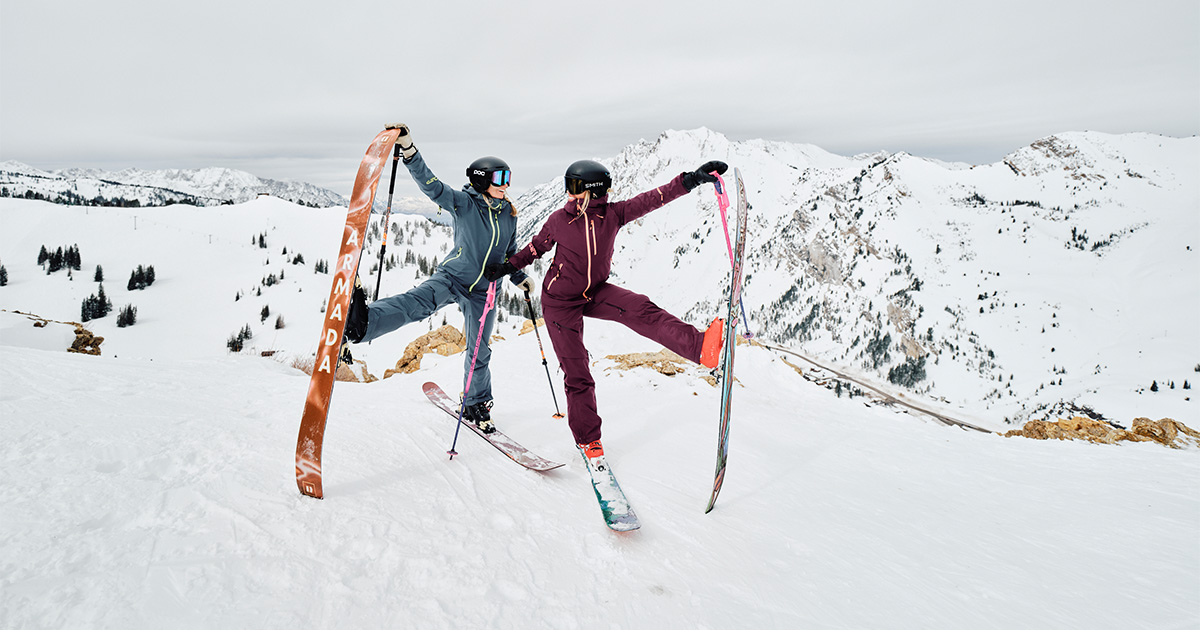
 Help! My Toes Are Always Cold While Skiing
Help! My Toes Are Always Cold While Skiing
Posted
by
WinterWomen
on Friday, September 25, 2026
There’s nothing quite like a perfect ski day filled with fresh snow, blue skies, and perfectly groomed trails with friends. And then your toes go numb. Suddenly you’re counting down the minutes, dreading the next chairlift, and wondering how soon is too soon to call it quits.
Sound familiar? Well, you’re not alone. Cold toes are one of the most common complaints among women skiers, and the most frustrating part is it can happen even when you’ve got the rest of your kit totally dialed in. The good news? Cold toes aren’t something you just have to “deal with.” There are usually a few fixes you can make right off the bat to get your boots and toes feeling much warmer. There are also a few solutions and tips we have to help you stay warm in any condition.
The major cause of cold toes while skiing is poor circulation. The #1 fix to that is making sure your boots actually fit you properly.
The #1 Fix: Make Sure Your Boots Actually Fit
It may seem obvious, but this is genuinely the number one culprit for cold toes while skiing. Ski boots that don’t fit right are not only uncomfortable, but they’re most likely the source of your cold feet, and it usually comes down to two things: your boots are too tight, cutting off your circulation, or your boots are too big, causing you to overtighten your buckles to compensate, again, cutting off your circulation.
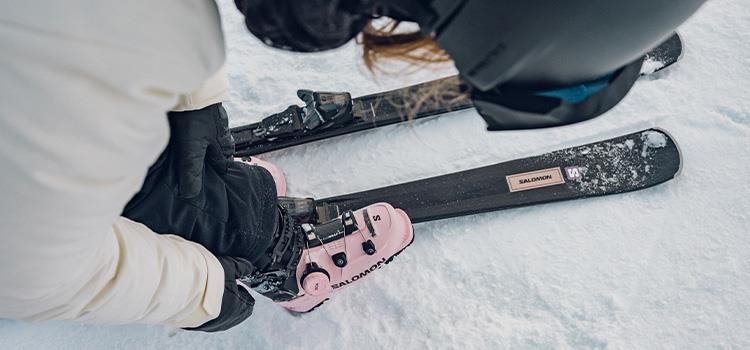
There are a number of ways an ill-fitting boot can affect your circulation. Too much pressure on your instep (the top of your foot) can restrict blood flow, causing cold toes. Too narrow a boot can squeeze your foot, causing your toes to go numb, leading to … cold toes. Boots that are too tight around the calf can cut off circulation, causing … you guessed it … cold toes.
The first thing to do is ensure you’re in the right size boot. Make sure you have your buckles buckled up correctly: the bottom buckles over your instep should close with just a thumb’s pressure, nothing more. The top buckles around your calf should be snug, but not so tight that it cuts off circulation.
To test if you’re in the right size, stand tall with your knees straight. Your toes should lie flat with light pressure at the front of the boot. Now flex forward by driving your shins into the tongue of the boot. Your toes should pull away from the front slightly, giving you just enough room to wiggle. If your toes are curling at any point, or if you’re not feeling the front of the boot at all, something’s off with the sizing.
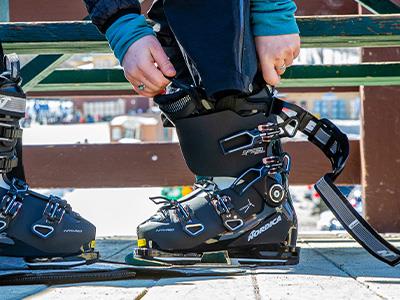
Size isn’t the only factor when it comes to a properly fitted ski boot, they also come in different volumes, which affects the width at your foot, the instep height, and calf room. Again, too much volume in the boot can lead to overtightening. Too little and the boot squeezes.
When in doubt, bring your boots into an experienced boot fitter. They can confirm the fit and recommend any modifications to ensure everything is fitting properly.
Maybe you’ve done all the steps and gone to a boot fitter to get your boots properly fitted to your feet, but you’re still getting cold toes, let’s talk about what else is in your boot: your socks.
#2: The Socks
It may seem like a small detail, but what socks you wear while skiing makes a huge difference. First, be sure you’re actually skiing in ski socks. They should be tall, coming up over your calf and above your boots. Dedicated ski socks ensure a good fit without any bunching, wrinkles, or excess padding that can feel weird in a ski boot.
Next thing, make sure you’re avoiding cotton. Cotton absorbs moisture, holds onto it, and gets cold fast. And once it’s cold, it stays cold. Instead, go for merino wool. It’s warm, naturally moisture-wicking, and incredibly comfortable.
It may seem counterintuitive, but thicker ski socks aren’t always better. Too much material in a ski boot takes up valuable space. It restricts warm air from circulating and affects your boot fit. Look for socks labeled midweight, lightweight, or ultralightweight with targeted cushion or no cushion.
And on that note, just one sock. Doubling up on socks will actually cause more bunching and excess compression in your boots, which, you guessed it, hurts circulation. One solid pair of merino wool ski socks is all you need.
And if you’re really struggling with circulation, it’s also worth trying compression socks. They’re thin so they’ll fit comfortably in your boots, and they boost circulation, making a noticeable difference in your ski boots.
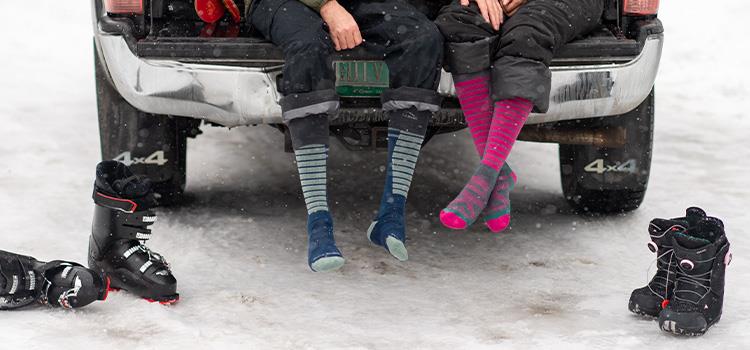
For those with a larger calf who feel like it’s impossible to get a sock that doesn’t cut off your circulation, look for ski socks with extra stretch like these from Smartwool. Or try ski socks from Le Bent. They use a blend of merino wool and bamboo to create a stretchy but comfortable sock that is perfect for everyone, but especially those with larger calves.
#3: Start Warm
This one’s simple, but easily overlooked: don’t put on cold boots. Leaving your boots in the garage, car, or anywhere cold overnight means you're starting your day at a deficit, and it can take hours (even all day!) for them to feel warm. Store your ski boots somewhere temperature-controlled, like in a closet, especially the night before skiing.
A boot dryer is a great investment here. Use it at the end of a ski day to dry out your liners, then run it again in the morning while you’re eating breakfast. Warm boots will not only keep you warmer longer, but they’re so comfortable and easy to put on in the morning.
And staying warm doesn't just mean your boots, it’s important that your core is warm too. When your body starts to get cold, it pulls heat towards your core and away from your extremities, aka your feet and toes. Staying properly layered with solid baselayers and mid-layers will make sure you stay warm throughout the day so you can stay outside skiing for longer.
Some days you’ve done everything right and it’s just brutally cold. Below-freezing temps and wind are going to test anyone’s limits, so here are some extra things I like to do on super cold days to keep my toes warm:
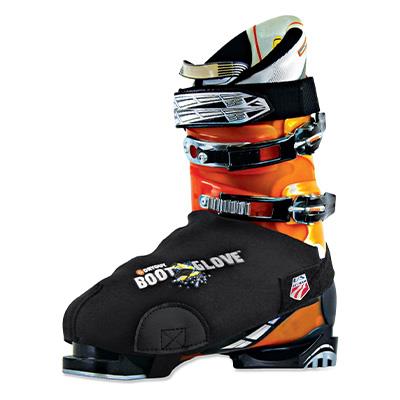
#1 Boot Glove
The boot glove is a simple neoprene sleeve that slips over the foot of your boot to help trap heat and keep the cold off your boots. It’s easy to use and relatively inexpensive, while doing a fantastic job of keeping your toes warm. It’s something easy to add to your boot bag just in case.
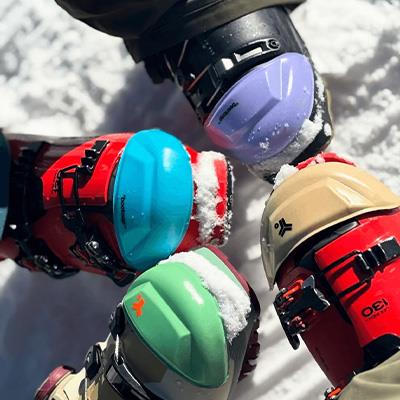
#2 Boot Cap
Similar to the Boot Glove, Boot Caps are designed to conserve heat while skiing. They adhere to the top cap of your ski boots and have been tested in negative-degree weather to keep your toes warmer longer, and they come in a ton of fun colors to accessorize your boots. They're good at keeping the chill off your toes, but on super-super cold days, you may need an extra boost of warmth like these options:
#3 Toe Warmers
This one is a classic choice. For an extra boost of warmth, toe warmers are an easy solution. I like to place them on top of my socks, above my toes, to prevent any weird bunching under my feet while skiing. They’re great because they last up to 8 hours, and on extreme days I can pair them with boot gloves for extra warmth.
#4 Heated Ski Boots
For a bit more permanent solution, look into getting heaters installed for your ski boots. Boot heaters can be added to any existing boot and footbed, and they’re extremely thin, so you won’t notice them in your boot. They come with adjustable heat settings, and some are Bluetooth, so you can control them from your phone. The batteries clip right onto your power strap and are easy to charge after a ski day. Boot heaters are definitely one of those things I wish I’d done sooner.
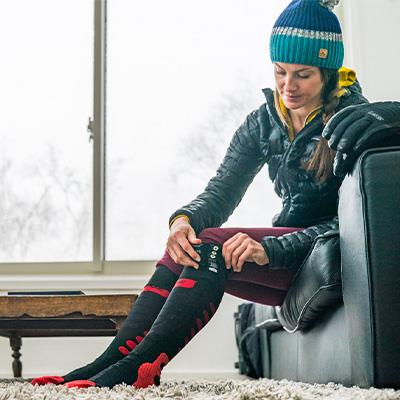
#5 Heated Socks
A great option on AND off the mountain are heated socks. Like the boot heaters, heated socks tend to have multiple heat settings, so you can set your warmth level. The rechargeable batteries tuck into a small pocket at the top of the socks, making it easy to adjust. The beauty is, you can wear them anywhere, not just skiing.
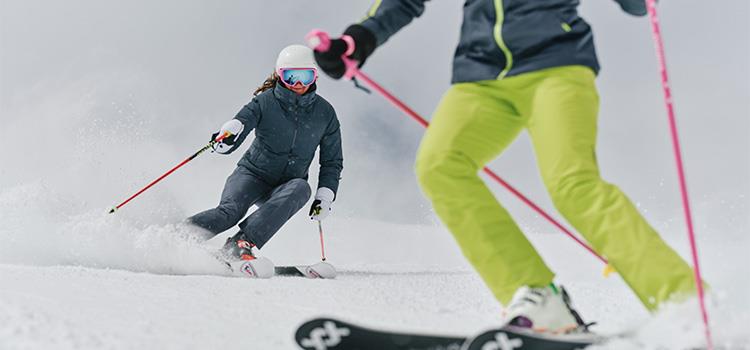
Cold toes are frustrating, but don’t feel like you have to tough it out. There are plenty of fixes: from ensuring your boots fit properly and choosing the right socks, to adding heat from boot heaters or heated socks. Every skier is different, so what works for your ski buddy might not work for you, but with so many options, you'll find your fix. And when you do, those extra runs at the end of the day are going to feel really, really good.
Categories:
Ski & Ride
Tagged: How To