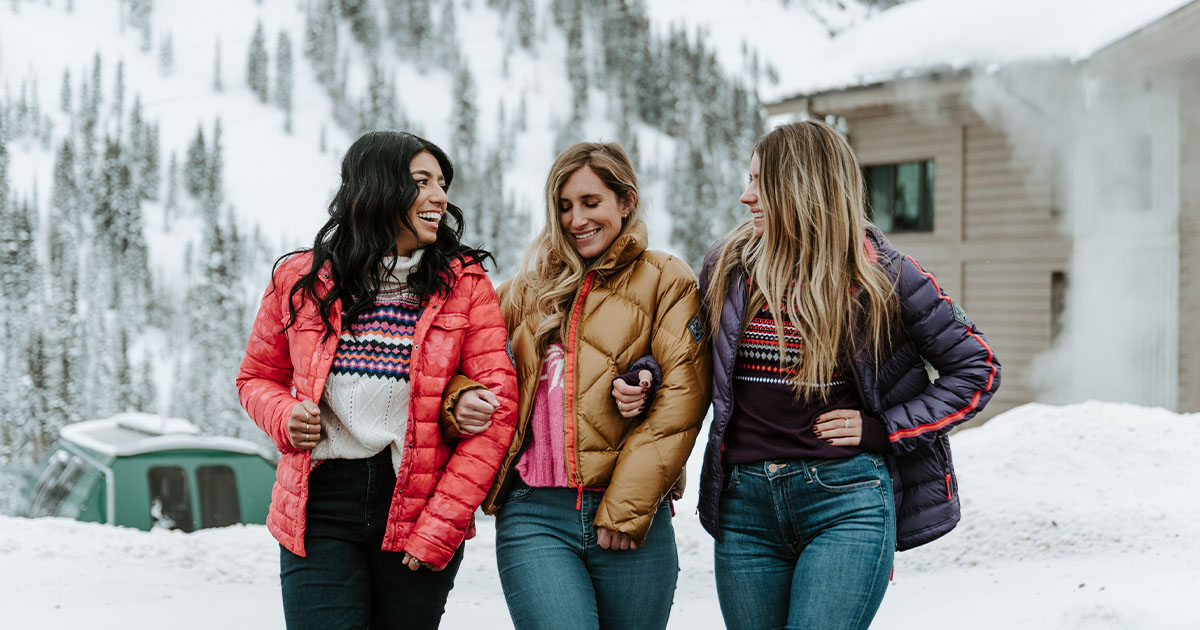
 How to Layer for Winter: Staying Warm Without Sacrificing Style
How to Layer for Winter: Staying Warm Without Sacrificing Style
Posted
by
Bianca Chang
on Tuesday, May 12, 2026
I used to think staying warm in winter just meant throwing on the thickest coat I could find. And it took me an embarrassingly long time to realize there was a better way.
With the right layers, you can stay warm and comfortable no matter how the day shapes out. Whether that’s running to and from kids' sports games, grabbing dinner with friends, dressing for a family ski trip, or commuting in the bitter cold, a simple three-layer method is all you need. And once it clicks, you’ll wonder how you ever survived winter without it.
Here's everything I've learned about layering for winter, broken down so it's easy to follow.
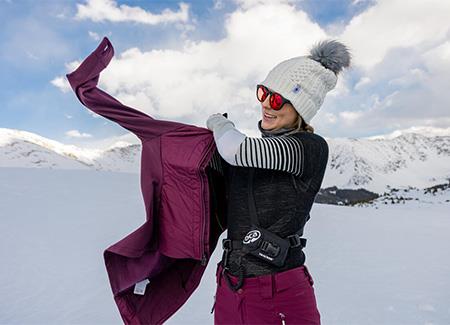
The Key is Layering
The secret to staying warm is being able to trap warm air while simultaneously keeping moisture away. Any moisture on a cold day will automatically give you a chill and make it really hard to warm back up. And that’s why layering works so well. Each layer traps warm air between them, and together they create a system that keeps you dry and insulated at the same time. The best part is, you can add or remove layers depending on the temperature, so you’re never stuck in one heavy outfit all day.
It’s easiest to think about it in three layers: the base layer, mid layer, and outer layer.
- Base Layer: the layer closest to your skin.
- Mid Layer: your main source of insulation.
- Outer Layer: your protection from wind, snow, rain, and cold air.
It’s really that simple.
Base Layer: Your Foundation
A good base layer goes a long way. It’s the closest layer to your skin, and its job is keeping you warm and, most importantly, dry. When you’re active, even in simple day-to-day activities like walking around, you can work up a light sweat. Even the smallest amount of moisture on your skin will cause you to feel cold fast.
What to look for in a good base layer:
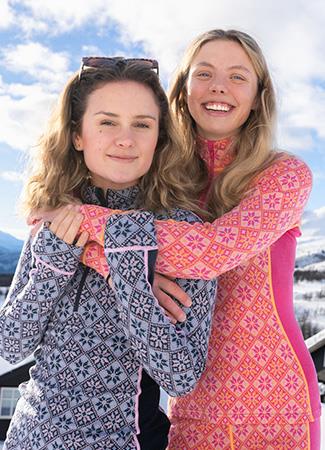
Merino wool is my personal favorite and, honestly, the gold standard for base layers. It’s a softer type of wool that’s stretchy and comfortable against the skin. It’s really good at temperature regulation in all conditions, whether cold or hot.
What makes merino wool so special is its moisture-wicking abilities. It naturally moves moisture away from the body so it can evaporate before you ever feel a chill. And on top of all that, merino wool is odor-resistant, making it an A+ in my books.
For an even more premium feel, be sure to check out these base layers from Le Bent. They use a blend of bamboo and merino wool to make a super soft, super stretchy material with all the benefits of merino wool. It’s so comfortable that you can sleep in it.
If merino wool isn’t your thing, synthetic base layers are a great alternative. They have similar moisture-wicking and insulating power, are usually more budget-friendly, and dry even faster than wool. My favorites are the Nils Robin 1/4 Zip and the Nils Lindsay Leggings. Both are lined with super soft fleece without the bulk.
At all costs, avoid cotton. Cotton is notorious for being cold. Cotton will hold onto any moisture, giving you that awful chill, and takes forever to dry, meaning you’ll stay colder for longer.
Fit matters too. Base layers should fit snugly against your body without being uncomfortable or restrictive. Think of it like your second skin. The closer the fit, the better it can wick moisture away and trap heat.
And don’t forget: base layers aren’t just for your top half. A solid pair of base layer leggings under your jeans or ski pants will keep your legs noticeably warmer on cold days. And the same thing applies to socks. Cold toes are the worst, so skip your normal cotton socks and opt for something like merino wool or a synthetic blend.
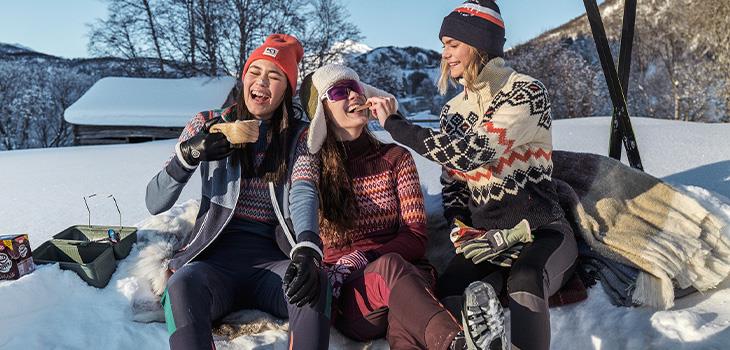
Mid Layer: Your Insulation
Here is where most of your warmth is at. The mid layer’s main job is to trap body heat by adding more insulation. This is where you have a bit more freedom to choose based on the weather and your style. Mid layer pieces include down or synthetic insulated jackets, fleeces, and even cute sweaters and vests.
Insulated pieces like the Patagonia Down Sweater or the Arc'teryx Atom Jacket are perfect at keeping you warm. The insulation is meant to be lofty to trap body heat, keeping you warmer for longer. They offer the best warmth for their size and pack down small, which is a big plus in winter when conditions are constantly changing.
Fleece is another great option. It’s breathable, durable, and does a good job of managing moisture. A reliable go-to for everyday winter activities.
If you’re looking for a functional and cute option, a sweater is perfect to wear as a mid layer. A good wool or chunky knit sweater keeps you warm and looks great when layered under a coat or out to dinner.
Vests are something I’ve been incorporating more and more into my layering, and I think this might just be the key. They give a little extra warmth to your core without being restrictive. You can find down, synthetic, and fleece vest options, which can be worn almost year-round.
The beauty of mid layers is that many pieces are interchangeable. An insulated jacket can be your mid layer on a cold ski day or your as your outer layer on a mild day in fall. Super versatile for any season.
Outer Layer: Protection from the Elements
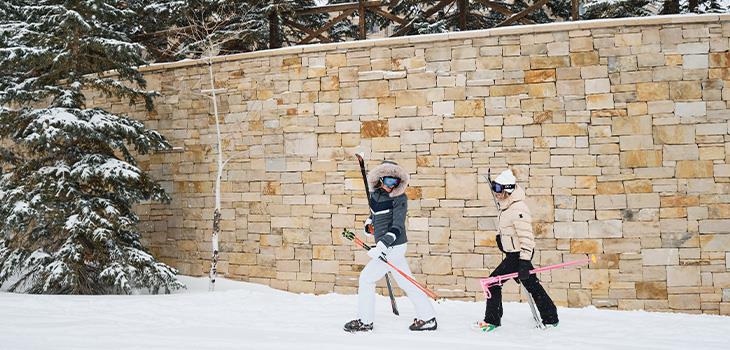
Your outermost layer is your protection from the elements. Waterproofing is the first thing I look for. If there’s any chance of snow or rain, I’ll want an outer layer with at least a 10K waterproof rating to keep me truly dry. Waterproofing is more of a scale than a simple yes or no. A lower rating, like around 5K or less, will do well in light rain and short outings, but a higher rating, like 10K and above, will hold up in harsher conditions and longer days.
The outer layer’s main purpose is to protect you from the elements, but they also provide a good source of warmth from insulation. You can find jackets with down or synthetic insulation, or a combination of both. A lofty down jacket is perfect for low-intensity activities, like your kids’ outdoor soccer games, since down is super warm in comparison to its size.
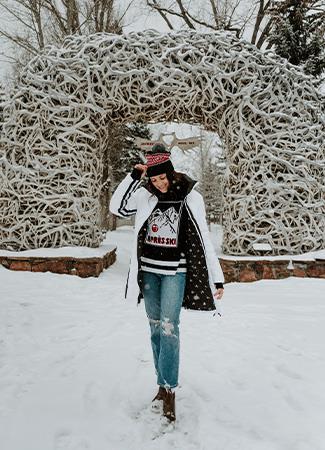
When it comes to your outer layer jacket, you have the option to choose different lengths. Long coats, like parkas and long puffers, give you more coverage and keep your legs warmer, which I love for everyday errands, school drop-offs, or standing outside watching sports games. Also, look for longer coats with a double zipper. The two-way zip allows you to open the bottom a bit, making it easier to walk around while still keeping your legs warm. One of my favorite long coats is the Patagonia Down With It Parka. It’s about knee length, insulated with 600-fill-power down, and water-resistant. Perfect for everyday.
And don’t forget that dressing for winter isn’t just about the right jacket and pants. The right socks, hat, mittens, and snow boots make all the difference in the cold.
Cold Weather Accessories
Treat socks like base layers. Forego your cotton socks in the winter for merino wool or synthetic blends that are moisture-wicking and warm. On super cold days, think about investing in some heated socks. They are a total game-changer with three heat settings lasting up to 8 hours!
A cute beanie or knit hat is the easiest way to retain heat. Fleece-lined hats are especially warm on really cold days. And if hats aren’t your thing, ear warmers are super cute and functional.
And don’t underestimate a good scarf. A chunky knit scarf, neck gaiter, or neck warmer keeps cold air from sneaking in at your collar and makes a huge difference on windy days.
Don't forget about your hands. Mittens are warmer since your fingers share heat, but gloves are easier when it comes to dexterity. In most situations, I prefer mittens for more warmth, but it’s completely up to your personal preference. When I’m on the go, I’ll just wear a glove liner. They’re super thin, so they don’t get in the way, but protect my hands from the cold while running errands. And on super cold ski days, I’ll wear them inside mitts for extra warmth. A win-win.
Whether you're trekking through snow with the kids in the backyard or running to the post office (does anyone do that anymore?), look for winter boots that are insulated, waterproof, and have good traction. Some of my favorites are from Sorel. They check all the boxes and are super cute.
A Few Last Tips:
Here are my last few tips for staying just a bit warmer this winter. They’re small, but as you know, every bit makes a difference!
- Tuck in your base layers. It sounds small, but keeping your base layers tucked stops cold air from sneaking in. It makes a huge difference on the ski lift or around town.
- Don’t forget to layer your bottom half, too. Base layer leggings can fit comfortably under your jeans or everyday pants for an extra layer of warmth while you’re out and about.
- Don’t skip the moisturizer. Technically not a layering tip, but the cold and dry winter air dries out your ski fast. A good moisturizer and lip balm is essential to keep in your bag all winter long.
Once you’ve got the hang of the 3-layer system, layering in winter will be second nature. And another plus, the layering pieces you invest in can become some of the most versatile things in your closet, swapping in and out depending on the weather, what you’re doing, and what you feel like wearing that day. Whether you’re embracing winter activities or just trying to survive the morning commute, the right layers make all the difference. Stay warm out there!
Related Articles:
How to Choose the Right Winter Jacket for Women
Down vs. Synthetic Insulation
Merino Wool: Is It Worth It?
Waterproofing Explained
Categories:
Life & Style
Tagged: How To, Dress for Winter